
Nippon Steel will demonstrate its breakthrough hydrogen-based direct reduction process for carbon-neutral steelmaking at MMF 2027, setting new industry benchmarks.
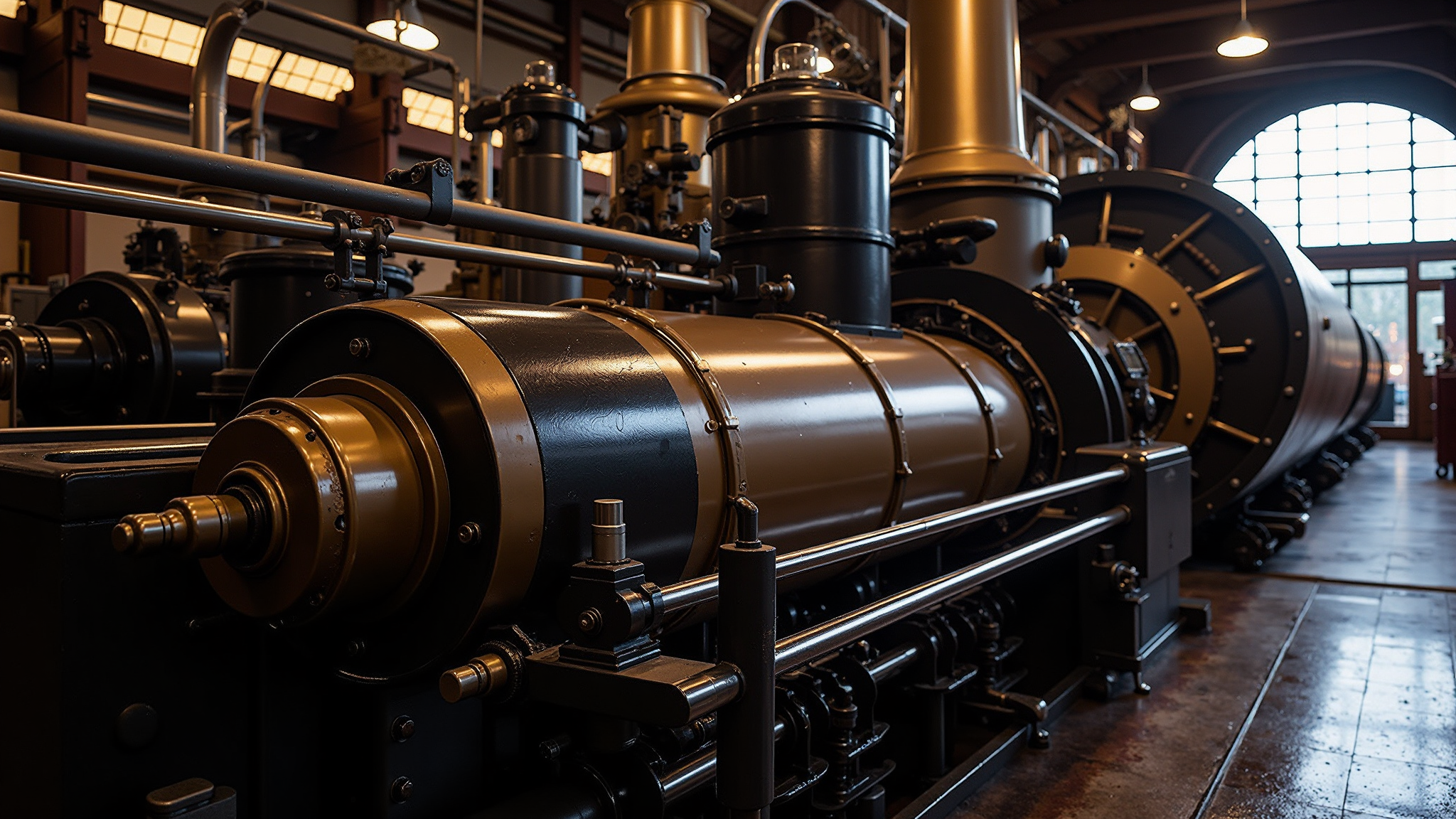
Nippon Steel Corporation has officially unveiled its next-generation hydrogen reduction technology, marking a pivotal milestone in the global steel industry's transition toward carbon-neutral manufacturing. The breakthrough process, built on hydrogen-based direct reduction, promises to fundamentally reshape how steel is produced while dramatically cutting greenhouse gas emissions. At MMF 2027, the company will showcase live demonstrations of the technology, giving industry stakeholders a firsthand look at its commercial viability.
Hydrogen-Based Direct Reduction Process
At the core of Nippon Steel's innovation is a proprietary hydrogen direct reduction (HDR) furnace that replaces traditional carbon-based reducing agents with high-purity hydrogen gas. Iron ore pellets are fed into the furnace at temperatures exceeding 800°C, where hydrogen molecules strip oxygen from iron oxide to produce direct reduced iron (DRI) and water vapor as the only byproduct. The process achieves a metallization rate of over 92%, ensuring the DRI output meets the quality standards required for electric arc furnace (EAF) steelmaking.
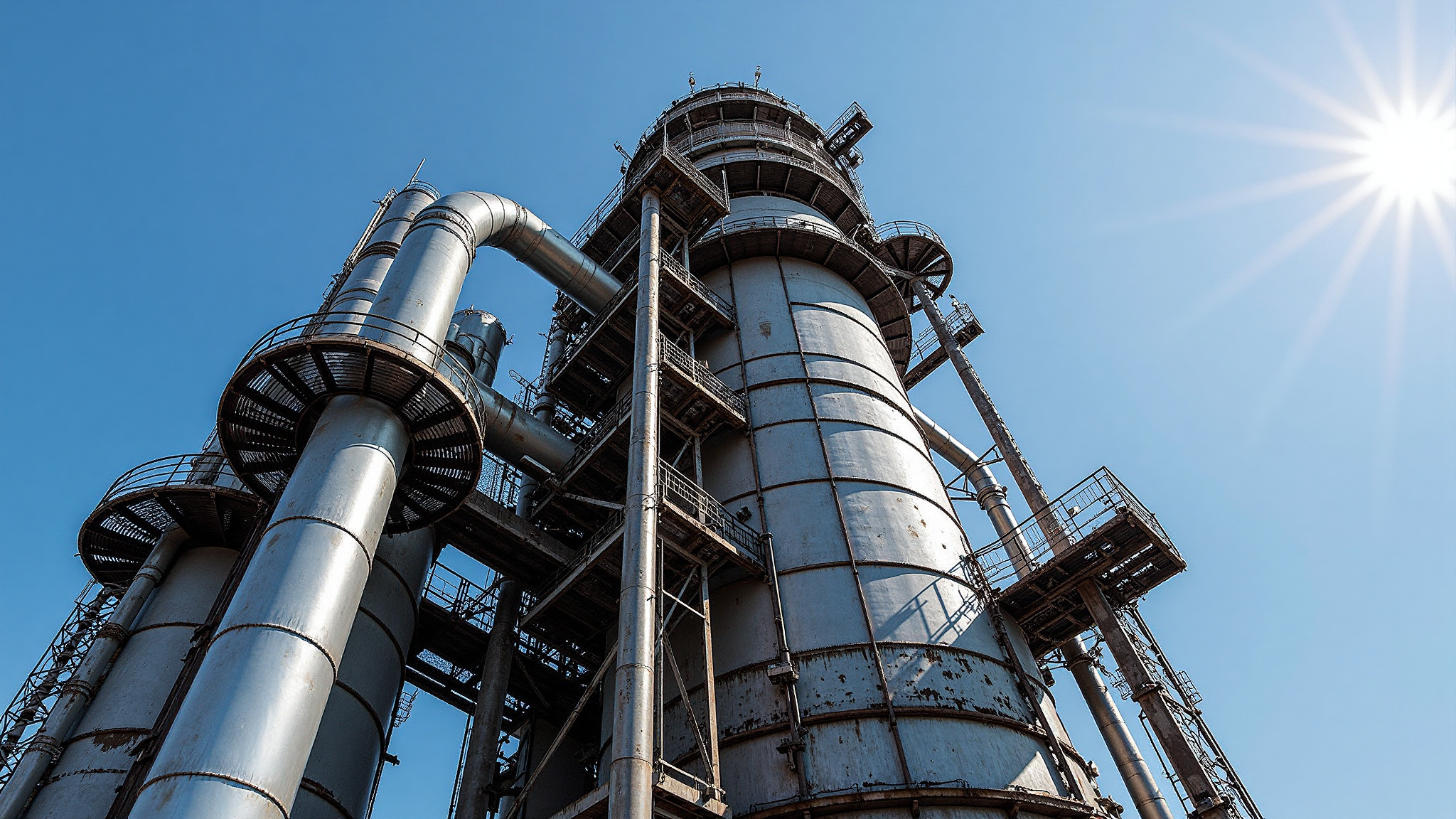
The HDR furnace design incorporates advanced heat recovery systems that capture waste thermal energy and redirect it to preheat incoming hydrogen, improving overall thermal efficiency by approximately 18% compared to conventional direct reduction configurations. This efficiency gain is critical for maintaining competitive production costs while operating on green hydrogen.
Carbon Emission Reduction Metrics
The environmental performance of Nippon Steel's hydrogen reduction process represents a quantum leap over traditional blast furnace operations. Per tonne of crude steel produced, the process achieves a CO₂ emission reduction of approximately 95% compared to the conventional BF-BOF route, which emits roughly 1.85 tonnes of CO₂ per tonne of steel. The remaining 5% of emissions stem from upstream hydrogen production and ancillary operations, which the company plans to eliminate through renewable energy integration by 2030.
When scaled across Nippon Steel's domestic production capacity, the technology is projected to reduce the company's annual carbon footprint by over 40 million tonnes of CO₂ — equivalent to removing approximately 8.7 million passenger vehicles from the road each year. These figures align with Japan's national commitment to achieve carbon neutrality by 2050.
Production Capacity and Scale
The demonstration plant currently under construction at Nippon Steel's Hirohata Works is designed for an initial annual capacity of 500,000 tonnes of hydrogen-reduced DRI. This pilot-scale facility will serve as the proving ground for process optimization, quality control protocols, and supply chain logistics before full commercial deployment.
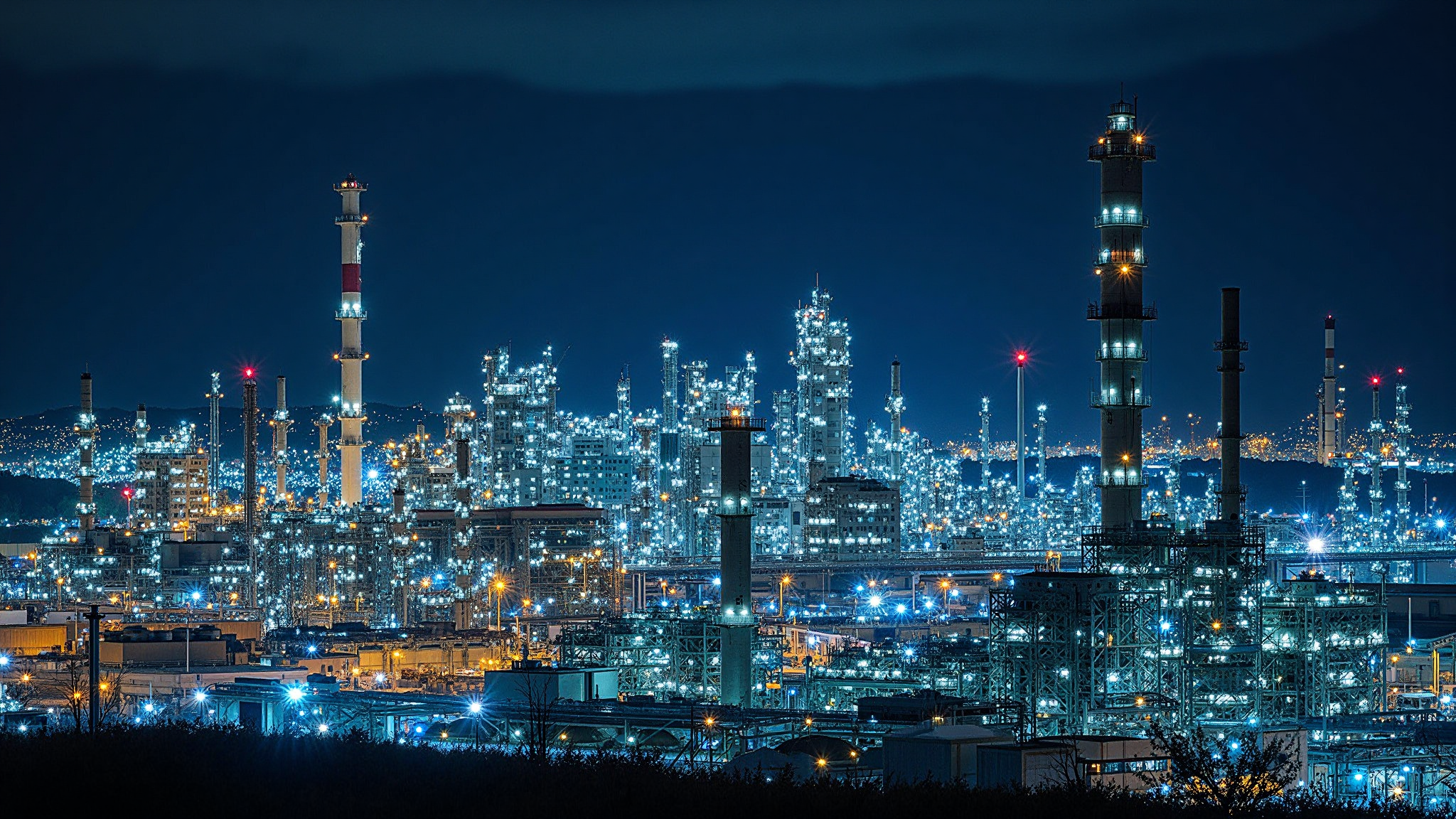
Following successful pilot operations, Nippon Steel plans to scale the technology to a commercial capacity of 3 million tonnes per annum by 2030, with further expansion to 10 million tonnes targeted by 2035. Each commercial-scale module is designed as a standardized 1-million-tonne unit, enabling modular deployment across multiple production sites in Japan and internationally.
Commercialization Timeline
Nippon Steel has outlined a phased commercialization roadmap. Phase 1 (2025–2027) focuses on pilot plant commissioning, process validation, and customer qualification of hydrogen-reduced steel products. Phase 2 (2028–2030) involves scaling to the first commercial module and securing offtake agreements with automotive and construction sector clients who have committed to Scope 3 emission reduction targets.
Phase 3 (2031–2035) envisions multi-site deployment across Japan, South Korea, and Southeast Asia, supported by regional green hydrogen supply infrastructure. The company has already signed memoranda of understanding with three major automotive manufacturers to supply low-carbon steel for next-generation vehicle platforms, with delivery commitments beginning in 2029.
Industry Outlook
The successful demonstration of Nippon Steel's hydrogen reduction technology at MMF 2027 is expected to accelerate adoption across the global steel industry. With over 30% of the world's steel production capacity located in regions with active decarbonization mandates, the addressable market for hydrogen-based steelmaking is estimated at over 500 million tonnes annually by 2035. Nippon Steel's first-mover advantage in process engineering and its established partnerships across the hydrogen value chain position the company to capture a significant share of this emerging market, while contributing meaningfully to global climate goals.