
HBIS Group will showcase its AI-powered smart factory systems and automated quality control technologies at MMF 2027, demonstrating the future of intelligent steelmaking.
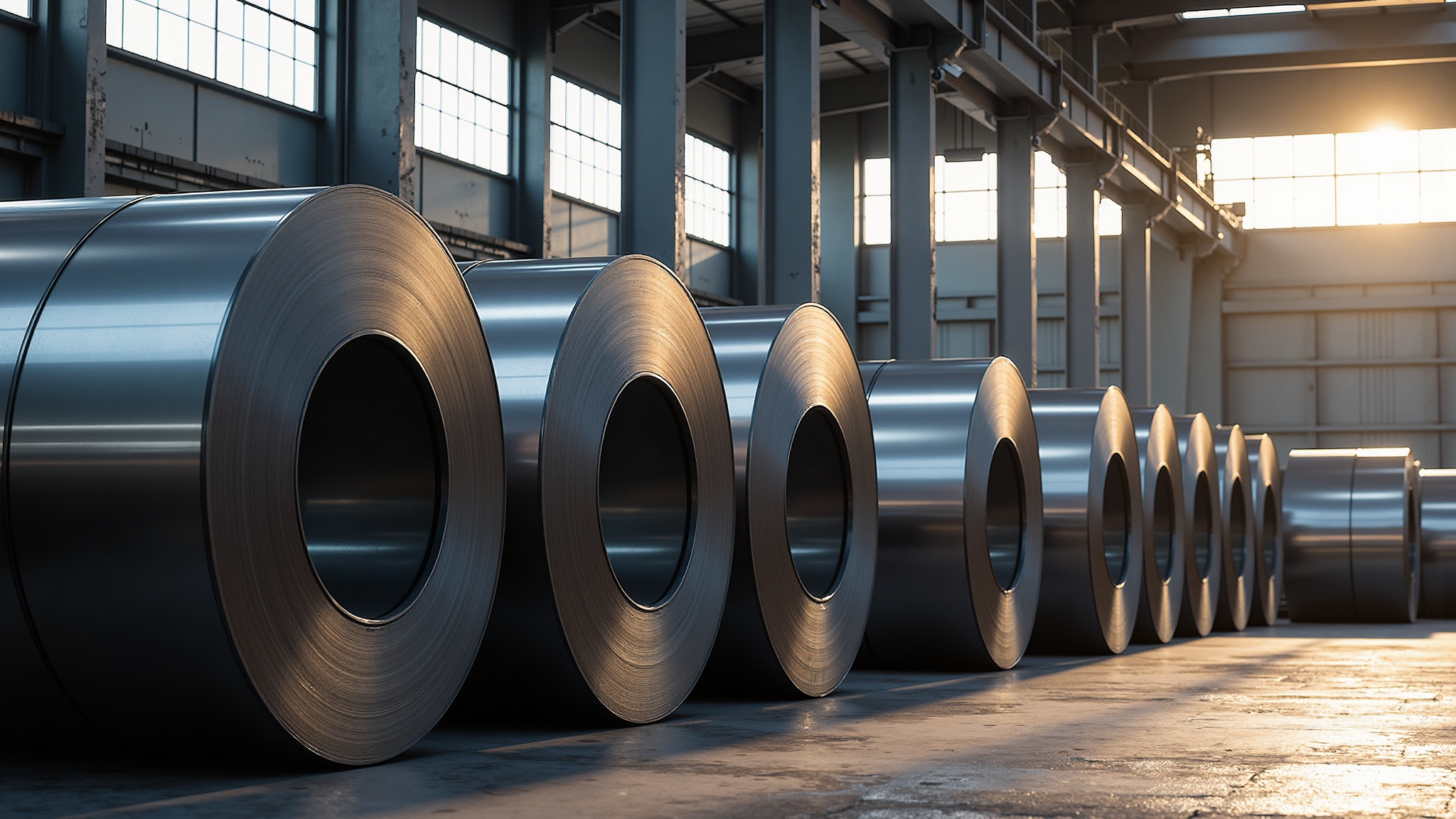
HBIS Group, one of the world's leading steel producers, is set to unveil its comprehensive smart factory solutions at MMF 2027. With decades of industrial expertise combined with cutting-edge artificial intelligence, HBIS is redefining what is possible in modern steelmaking. Their exhibition will feature live demonstrations of autonomous production lines, real-time quality monitoring systems, and predictive maintenance platforms that are already transforming operations across their global facilities.
What is the HBIS Smart Factory System?
The HBIS Smart Factory System is an integrated digital platform that connects every stage of the steelmaking process — from raw material handling to finished product delivery. Built on industrial IoT sensors, edge computing nodes, and a centralized AI engine, the system provides end-to-end visibility and autonomous decision-making across production lines. Operators can monitor temperature, pressure, composition, and throughput in real time through a unified control dashboard, while the AI layer continuously optimizes energy consumption and material yield.
How Does AI Improve Steel Quality Control?
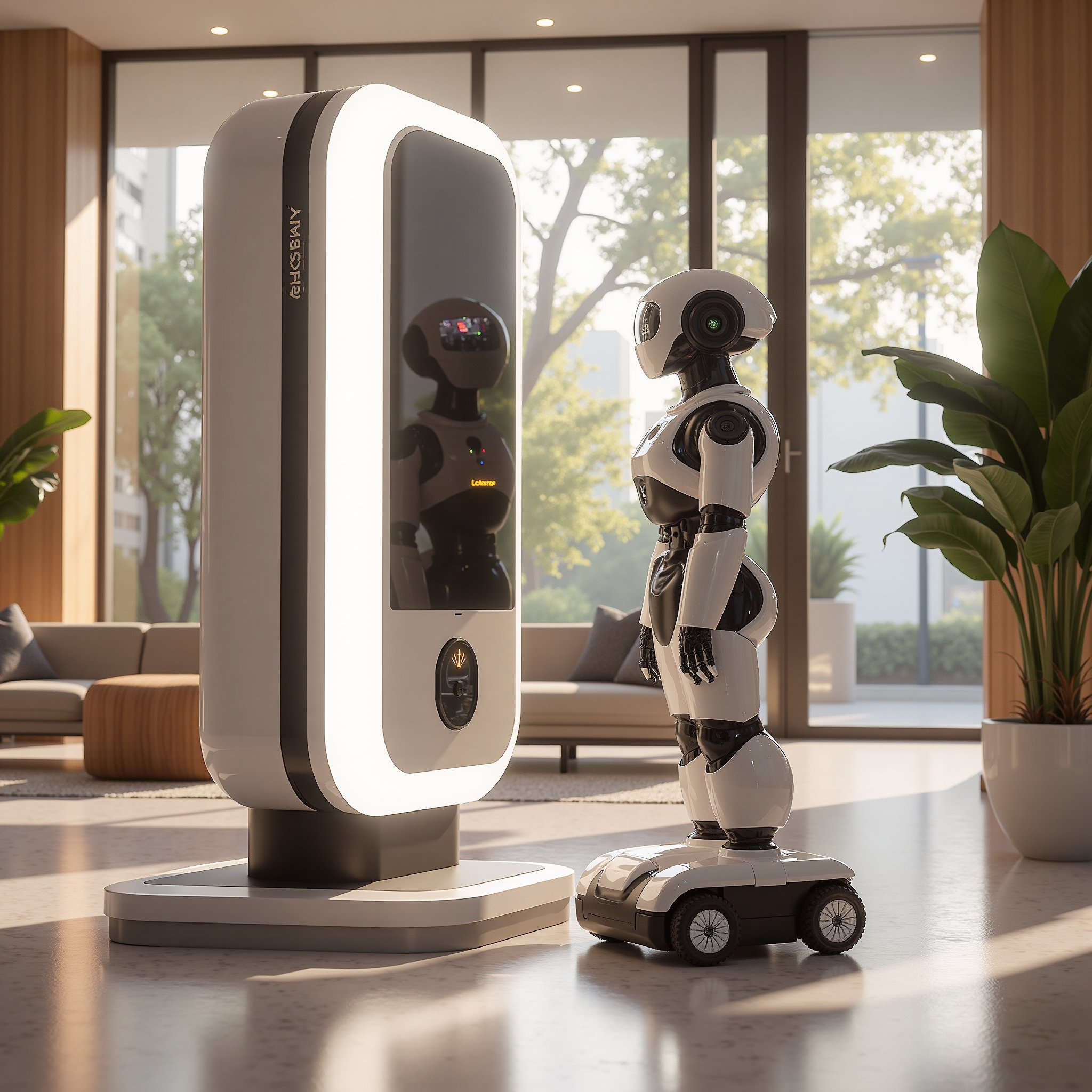
Traditional quality inspection in steel production relies on periodic sampling and manual checks, which can miss subtle defects that emerge between inspection intervals. HBIS replaces this approach with continuous AI-driven quality analysis. Computer vision models inspect every surface in real time, detecting cracks, inclusions, and dimensional deviations at sub-millimeter precision. Meanwhile, machine learning algorithms analyze historical production data to predict quality drift before it occurs, allowing the system to automatically adjust process parameters such as rolling speed, cooling rates, and alloy composition.
What Automation Solutions Does HBIS Offer?
HBIS provides a modular suite of automation solutions that can be deployed individually or as an integrated package. Key offerings include autonomous crane systems for material handling, robotic sampling stations that extract and analyze molten steel without human intervention, and automated guided vehicles (AGVs) that transport半成品 across factory floors with centimeter-level navigation accuracy. The company also offers digital twin technology, enabling plant managers to simulate process changes in a virtual environment before applying them to physical production lines.
What Results Have Been Achieved in Deployment?
HBIS has deployed its smart factory solutions across multiple production facilities with measurable impact. At their flagship plant in Tangshan, the AI quality control system reduced defect rates by 38% within the first year of operation. Energy consumption dropped by 15% through predictive optimization of furnace operations. Autonomous material handling systems cut logistics cycle times by 22%, while the digital twin platform shortened new product trial runs from weeks to days. These results demonstrate that intelligent manufacturing delivers both quality and efficiency gains simultaneously.
Where Can Visitors See the Live Demonstration?
At MMF 2027, HBIS Group will host a dedicated smart factory experience zone at their booth in Hall 3. Visitors can interact with live control dashboards, watch robotic quality inspection in action, and explore a scaled-down digital twin simulation of an integrated steel plant. Technical specialists will be available throughout the exhibition to discuss implementation roadmaps, integration with existing production infrastructure, and customization options for different scales of operation. Scheduled technical seminars will cover topics including AI model training for metallurgical applications and cybersecurity frameworks for industrial IoT networks.
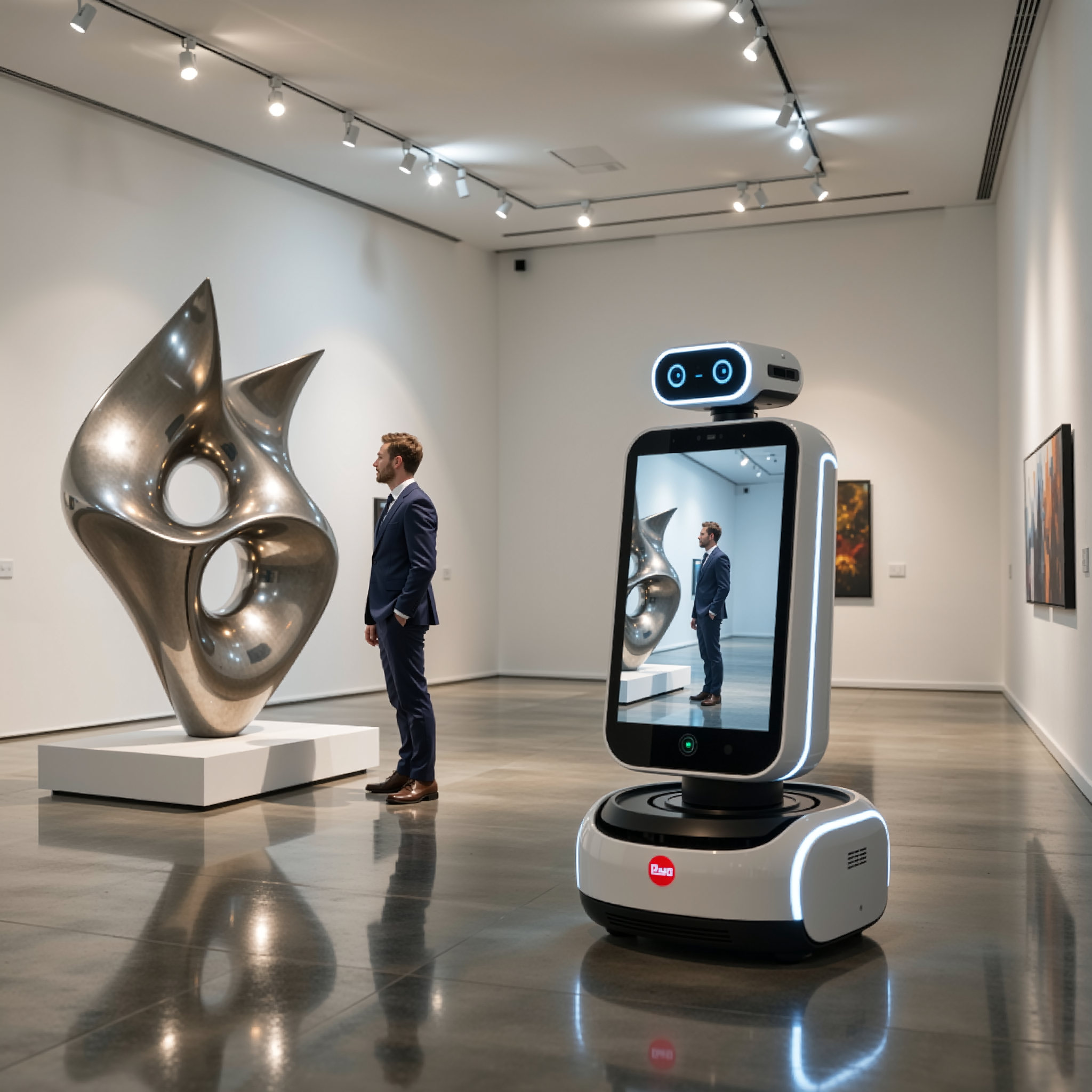
HBIS Group invites industry professionals, plant operators, and technology partners to visit their MMF 2027 exhibition and explore how smart factory solutions can be tailored to specific production challenges. Whether you are looking to upgrade a single production line or transform an entire facility, their team of engineers and data scientists is ready to design a phased implementation plan that maximizes return on investment while minimizing operational disruption. The future of intelligent steelmaking starts with a conversation.